
Learning That Clicks: How to Make Learning Fun for Neurodivergent Kids

Every child learns differently. For neurodivergent kids, including autistic children and children with ADHD, dyslexia, or other learning differences, learning becomes easier when it feels engaging, supportive, and meaningful. When children enjoy learning, they are more likely to stay focused, build confidence, and develop important academic and social skills.
Research shows that neurodivergent children often learn best when teaching matches their strengths, interests, and sensory needs (Tomlinson, 2014). Instead of using one teaching style for every child, parents and educators can create learning experiences that feel exciting and motivating.
1. Use Your Child’s Interests
One of the best ways to make learning fun is by connecting lessons to a child’s favorite interests. A child who loves dinosaurs may enjoy reading books about prehistoric animals. A child interested in space may become more excited about science and math activities.
Research shows that interest-based learning increases motivation and participation in neurodivergent learners (Winter Messiers, 2007). When children care about the topic, they often stay engaged longer and remember information more easily.

2. Include Movement and Hands-On Activities
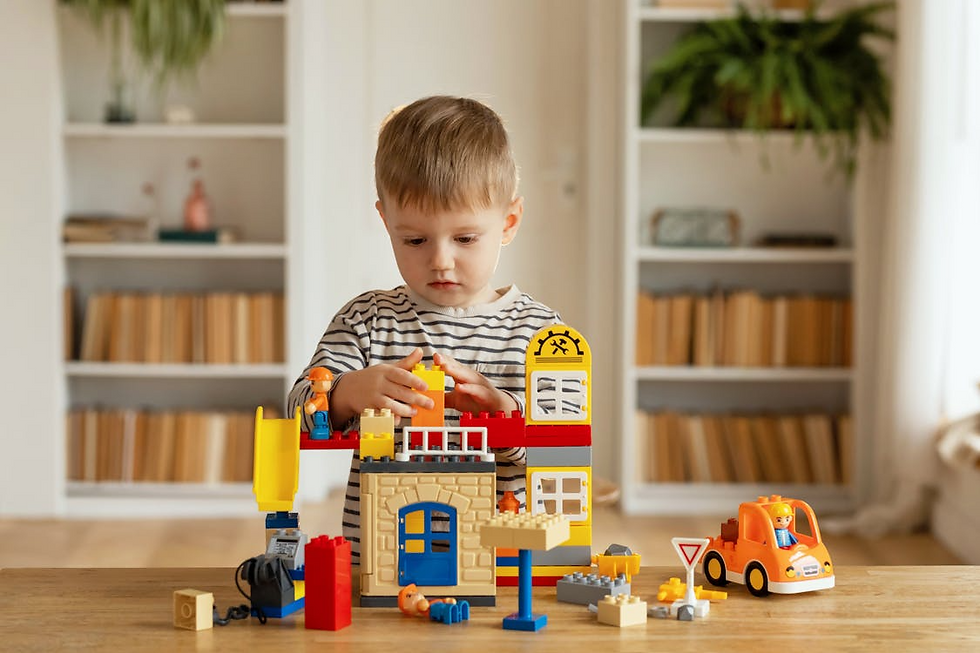
Many neurodivergent children learn better through movement and active participation. Sitting still for long periods can feel difficult or stressful. Activities such as building models, acting out stories, sensory play, or educational games can help children stay focused while learning.
Studies on multisensory learning suggest that using visual, auditory, tactile, and movement based activities improves learning and memory retention in children with diverse learning needs (Shams & Seitz, 2008).
3. Break Tasks Into Smaller Steps
Large assignments can feel overwhelming. Breaking learning tasks into smaller and manageable parts helps children feel more successful. For example, instead of asking a child to write a full paragraph all at once, start with one sentence at a time.
Small successes build confidence and reduce frustration. Children are more willing to try when learning feels achievable.

4. Create a safe and positive learning environment
Children learn best when they feel emotionally safe. Encouragement, patience, and understanding can make a huge difference in motivation. Neurodivergent children may become anxious when they feel pressured or criticized.
Positive reinforcement, such as praise for effort and progress, helps children feel more confident in their abilities. Research in educational psychology shows that supportive environments improve engagement and emotional regulation for neurodivergent learners (Hattie & Timperley, 2007).

5. Use visual supports and routines
Visual schedules, charts, timers, and step-by-step instructions can help children understand expectations more clearly. Predictable routines reduce stress and help children feel more prepared during learning activities.
For many neurodivergent kids, visual information is easier to process than long verbal instructions. This can improve attention and independence.

Conclusion
Learning does not need to feel stressful or frustrating for neurodivergent children. When parents and educators focus on creativity, flexibility, and individual strengths, learning becomes more enjoyable and meaningful.
Fun learning experiences help children build confidence, curiosity, and a positive relationship with education. Every child deserves a learning environment that helps them feel successful, understood, and excited to grow.
Helping your child thrive with Autism Envisioned
At Autism Envisioned, we believe learning should be engaging, supportive, and personalized for every child. Our tutoring programs are designed to match each child’s unique learning style, strengths, and needs using evidence-based teaching methods.
We help children build confidence, improve academic skills, and enjoy learning in a positive environment that supports growth and independence.
If you are looking for personalized support that helps your child learn in a way that truly works for them, Autism Envisioned is here to help.
References
Tomlinson, C. A. (2014). The differentiated classroom: Responding to the needs of all learners. ASCD.https://www.ascd.org/books/the-differentiated-classroom-second-edition
Winter Messiers, M. A. (2007). Encouraging autistic special interests in school projects. Teaching Exceptional Children Plus.https://files.eric.ed.gov/fulltext/EJ967123.pdf
Shams, L., & Seitz, A. R. (2008). Benefits of multisensory learning. Trends in Cognitive Sciences, 12(11), 411–417.https://www.sciencedirect.com/science/article/pii/S1364661308002073
Hattie, J., & Timperley, H. (2007). The power of feedback. Review of Educational Research, 77(1), 81–112.https://journals.sagepub.com/doi/10.3102/003465430298487


Comments